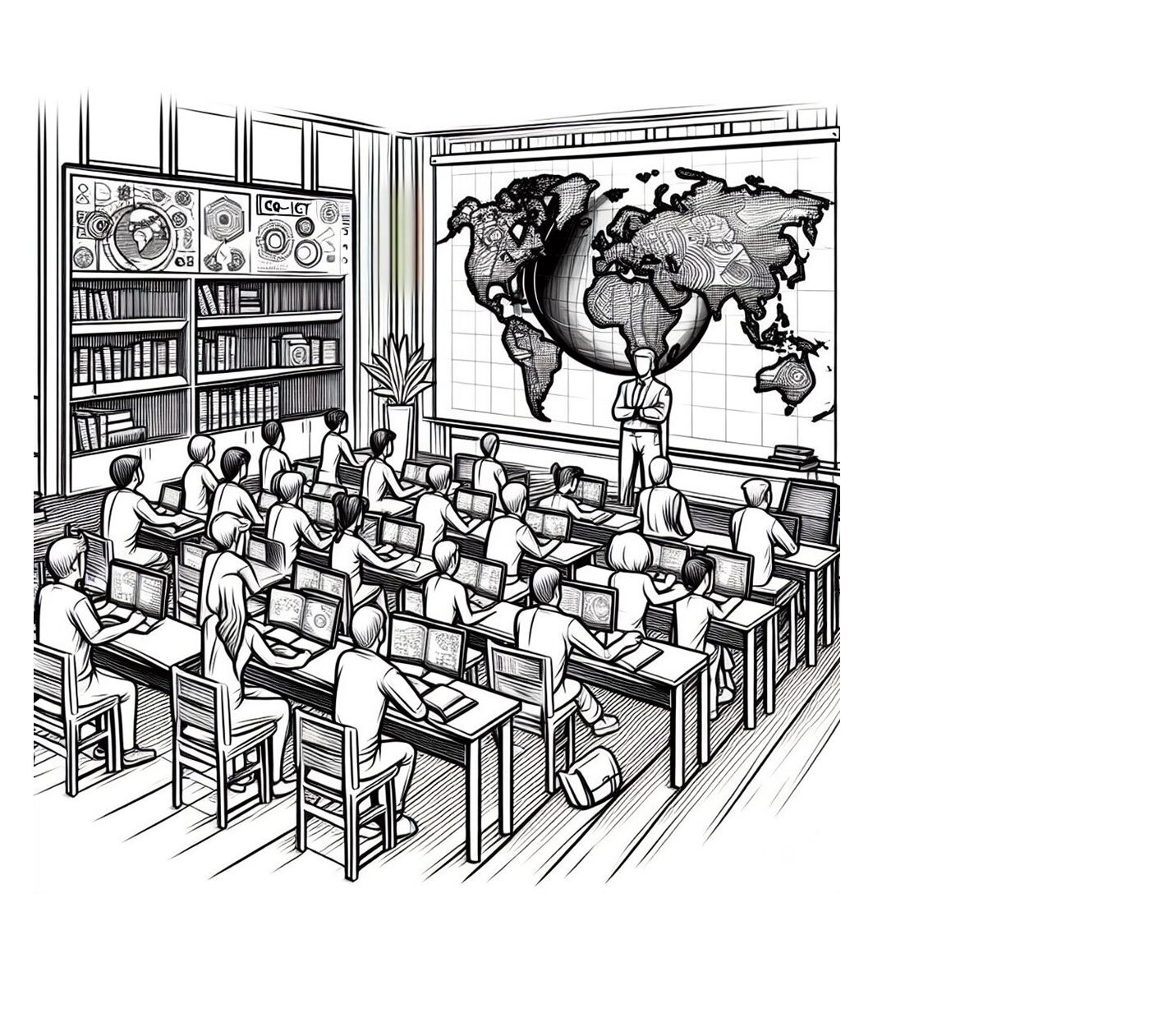
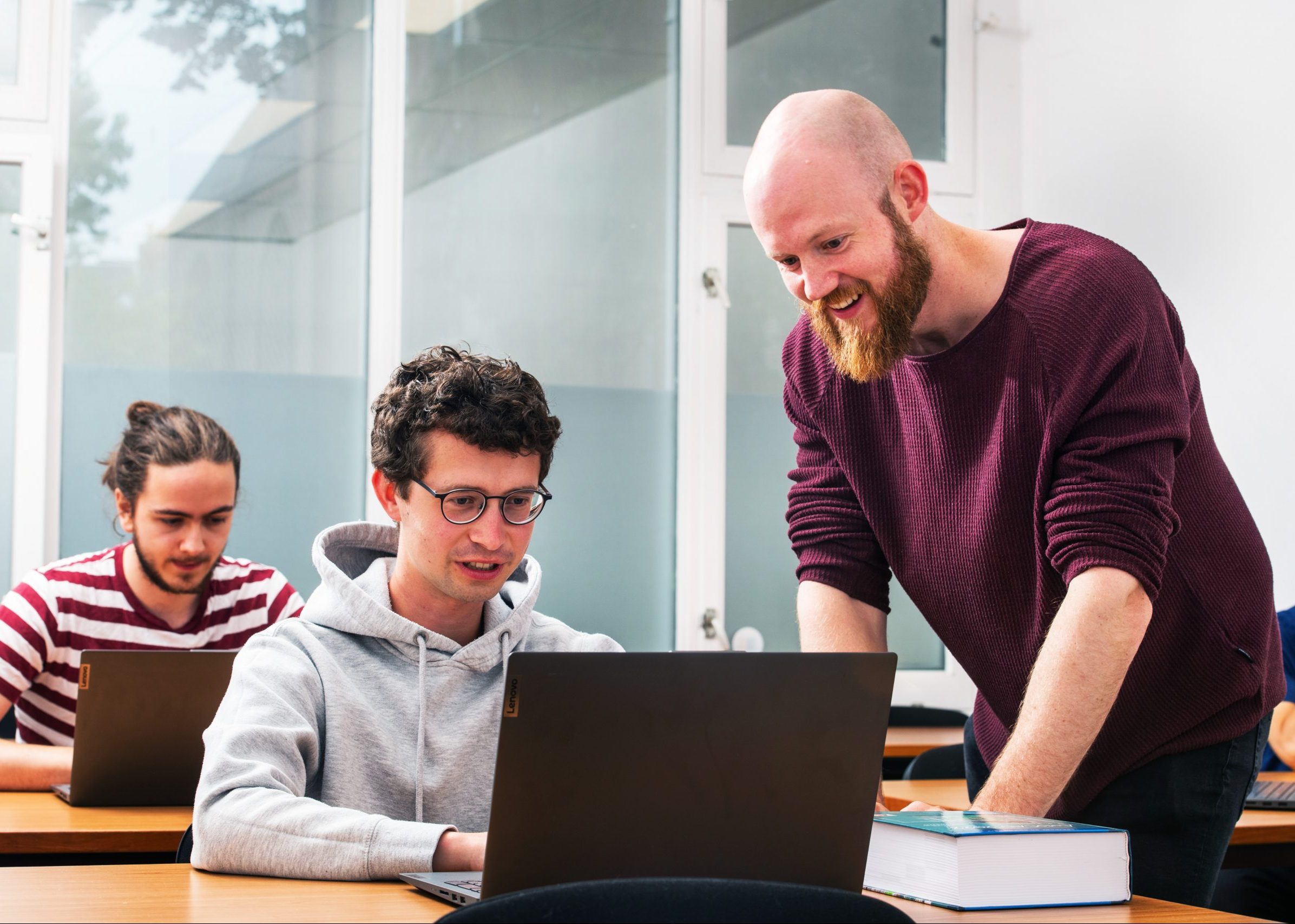
At Geo-ICT, we value the diversity of our course offerings because we understand that our students’ needs and interests are just as varied as the field itself. Whether you’re new to the world of geoinformation or looking to deepen your existing skills, we have something for everyone. From the Geo-ICT Course for those who want to build a comprehensive foundation, to specific courses such as Geo-ICT for vocational teachers and GIS for Geography teachers, aimed at equipping education professionals with the latest geoinformation technologies. These courses are designed to complement each other, giving you a holistic view of the possibilities within the field. Our goal is not only to impart knowledge and skills to you, but also to inspire and motivate you to push the boundaries of geo-information.
The power of Geo-ICT should not be underestimated, especially when you consider the impact it can have on your career. Whether you’re just starting out or an experienced professional, knowledge of geoinformation can give you a significant edge in many sectors. Here are some ways a background in Geo-ICT can enrich your career path:
- Enhanced employability: Knowledge of Geo-ICT makes you more attractive to a wide range of employers, from government agencies to commercial organizations and NGOs, all of which rely on geodata for decision-making and planning.
- Access to diverse roles: With skills in Geo-ICT, you can explore roles such as GIS analyst, geodata specialist, project manager for geoinformation projects, and more.
- Higher earning potential: Specialists in geo-information are in high demand, which often results in a higher salary compared to other IT disciplines.
- Opportunities for innovation: Geo-ICT is central to many innovative projects, such as smart cities, climate research, and disaster management, giving you the chance to contribute to meaningful and impactful projects.
- Continuous professional development: The geo-information sector is constantly evolving with new technologies and applications, meaning there is always something new to learn.
By deepening your skills in Geo-ICT, you can not only improve your career prospects but also contribute to addressing important societal challenges. Whether your interest lies in environmental protection, urban planning, or technological innovation, Geo-ICT offers a path full of possibilities.
The Future of Geo-ICT and Your Role in It
The future of geoinformation technology looks promising, with countless opportunities and challenges on the horizon. As a professional or enthusiast in this field, you are on the cusp of an exciting journey. Here are some areas you can focus on to make a meaningful contribution:
- Innovation in Geo-ICT applications: The demand for advanced GIS solutions is growing. Consider the development of smart cities, where geodata is crucial for urban planning, environmental management, and emergency services.
- Data analysis and interpretation: With the explosive growth of data, your ability to analyze and interpret this data is becoming increasingly valuable. This includes working with big data, machine learning, and AI to gain insights that can support policymakers.
- Sustainability and climate change: Geoinformation plays a key role in monitoring climate change and supporting sustainability initiatives. Your expertise can contribute to projects related to climate adaptation and mitigation.
The future calls for professionals who are not only technically skilled but also capable of looking beyond the boundaries of their field. Your role in the future of geoinformation can range from developing new technologies to advising governments on the use of geodata for societal issues.
Some key considerations for your career in this sector:
- Stay up to date on the latest technological developments.
- Work on your data analysis and problem-solving skills.
- Network with professionals in the sector to learn about new opportunities and challenges.
In a world where geoinformation is becoming increasingly intertwined with our daily lives, there is a great opportunity for you to contribute to a more sustainable and efficient future. With your knowledge and skills, you can play a crucial role in shaping this future. Let’s take on this challenge together and harness the power of geoinformation to bring about positive change.