
In the data literacy course, you will learn how to read and interpret (geo)data and convert raw data into structured data to populate dashboards and models.
Datamanagement
In the data literacy course, you will learn how to read and interpret (geo)data and convert raw data into structured data to populate dashboards and models.
In our increasingly data-driven society, the ability to understand and analyze data has become essential. Data analysis plays a crucial role across various sectors by providing insight into complex datasets, enabling organizations to make informed decisions. This analysis involves carefully examining, cleaning, and interpreting data to extract meaningful information, conclusions, and support for decision-making.
The importance of data analysis cannot be underestimated. It transforms raw data into a goldmine of insights. This enables organizations to increase revenue, reduce costs, adjust marketing strategies, operate more efficiently, and mitigate risks. By collecting and analyzing data, organizations can identify patterns and trends. This leads to better products and services and provides a strong competitive advantage.
Effective data analysis requires accurate and consistent data. Discrepancies in data, such as different names for the same location or inconsistent data formats, can disrupt the analysis. Advanced software tools can help verify and standardize data, which is essential for reliable analyses.
Data quality plays a crucial role in conducting useful analyses. It is therefore important to have a clear strategy for collecting, cleaning, and analyzing data to ensure that the results are of high quality and provide valuable insights. This process often involves defining research questions, collecting data, processing and organizing this data, and ultimately converting the collected information into actionable insights.
In our digital world, where data is growing exponentially, the ability to analyze data is becoming increasingly important. By understanding and applying the principles of data analysis, professionals in every sector can harness the power of data to drive innovation, increase efficiency, and lead their organizations to new heights.
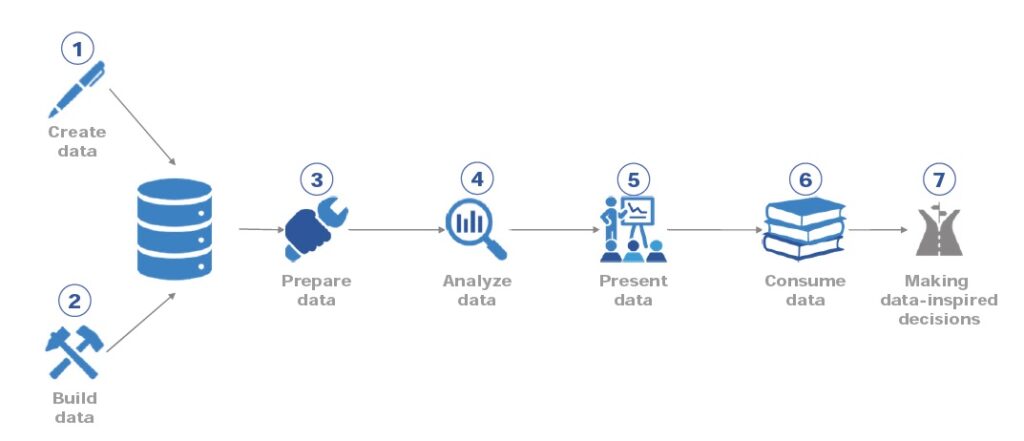
In the digital age, data is all around us. It is the backbone of decision-making and innovation in every field, from geoinformation to healthcare. Understanding the importance of data is crucial for anyone who wants to navigate this data-driven world. It’s not just about collecting data, but also about how you interpret, analyze, and use it to make informed decisions.
It is essential to adopt a critical approach when working with data. Not all data is created equal, and the ability to assess the quality and relevance of data is a crucial skill. Furthermore, with the growing focus on data privacy, it is important to keep ethical considerations in mind when collecting and using data.
In the Data Literacy course, you’ll learn not only about the technical aspects of data analysis but also about the strategic importance of data within organizations. This includes understanding how data can be used to support sustainable business decisions and how you can use data to tell a story that convinces others.
By understanding and leveraging the power of data, you can position yourself as a valuable asset in any industry. It’s not just about having access to data, but knowing what to do with it. That is the true essence of data literacy.
Data literacy is an essential skill in our modern, data-driven world. It goes beyond simply being able to read data; it is the ability to interpret, analyze, and reason about data. This enables us to make informed decisions and think critically about the information that surrounds us every day.
To master the basics of Data Literacy, you need to become familiar with a few key concepts:
Key skills you develop with Data Literacy include:
Data Literacy enables you to harness the power of data, not only in your professional life but also in your daily decisions. By developing these skills, you become a more critical consumer of information and a more effective communicator and problem-solver.
Transforming raw data into structured insights is both an art and a science. This process is crucial for anyone striving for data literacy. It starts with a mountain of unstructured information and ends with valuable insights that support action and decision-making.
Steps to move from raw data to insights:
Important aspects to consider:
By following these steps, you can unlock the value of data and turn it into actionable insights. This process is fundamental to navigating today’s data-driven world and is a key skill for professionals in every field, from geoinformation to marketing.
Reliable data analysis is the key to uncovering valuable insights. Using the right techniques ensures that your analyses are accurate and effective. Some techniques that are essential for every data analyst include:
Key Considerations:
By applying these techniques and considerations, you can ensure reliable and insightful data analyses that form a strong foundation for decision-making and strategy development.
Our Data Literacy Course stands out thanks to a unique combination of factors that not only teach you skills but also prepare you for the future in a data-driven world. Here are a few reasons why our course is the right choice for you:
By choosing our course, you’re investing not only in your current skills but also in your future career. Our goal is to teach you not only how to work with data but also how to make data work for you.
The following topics will be covered:
Part 1:
Part 2:
On the second day, the following topics will be covered.
Part 1:
Part 2:
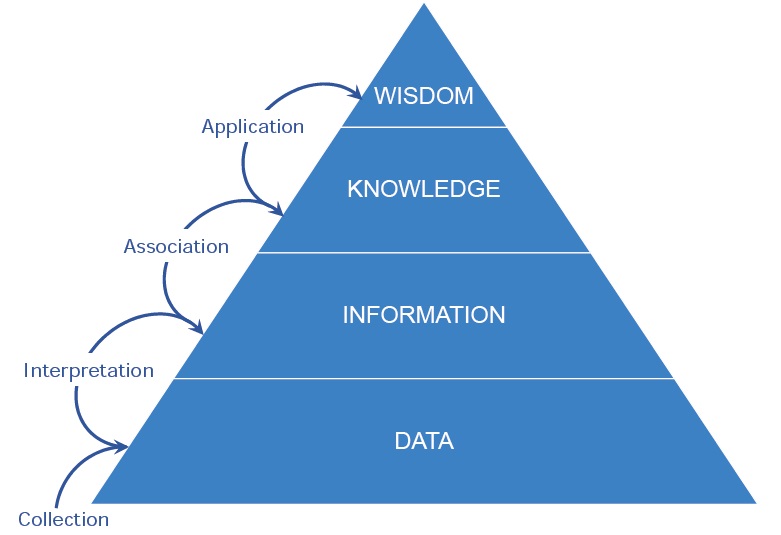 Understands what data is and the different types of data
Do you have questions about the course content? Or are you unsure whether the course aligns with your learning goals or preferences? Would you prefer an in-house or private course? We’d be happy to help.
The Data Literacy course provides an in-depth understanding of data analysis, processing, and interpretation, with a focus on using data for strategic decision-making and persuasive argumentation.
By taking our Data Analysis course, you will learn how to turn structured data into reliable analyses and avoid misleading interpretations of data.
Data helps in making informed decisions by providing factual insights and analyses, leading to more strategic and effective decision-making.
Our course provides techniques for improving data quality and ensures that your analyses are more reliable and effective.
Storytelling in data analysis helps convey complex information in an understandable and compelling way, enabling real-world, data-driven scenarios to be presented effectively.
The course covers a wide range of topics, from the fundamentals of data analysis to advanced techniques, with a focus on practical applications and real-world scenarios.
Yes, upon successful completion of the course, you will receive a certificate recognized by the Dutch AI Coalition, which confirms your skills in AI and data literacy.
The course has a highly practical focus, featuring realistic data challenges and personalized one-on-one lessons designed to help you apply the skills you’ve learned in real-world situations.
The course is offered online, with interactive lessons that provide flexibility and convenience for participants, regardless of their location.
