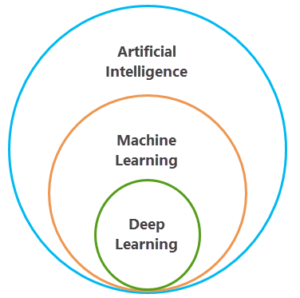
Deep Learning is a branch of machine learning that deals with multi-layer neural networks. It is a revolutionary approach in the world of geoinformation and geodata analysis. This technique can express and understand the complex structures of high-dimensional data. It promises significant advances in geospatial analysis and modeling. In the context of ArcGIS Pro, Deep Learning offers unprecedented capabilities for performing advanced geospatial analyses, such as image classification and object detection, which are crucial for a wide range of applications—from urban planning to environmental protection.
The Basics of Deep Learning
Diving into the world of Deep Learning, we start with the basics. Specifically, a form of machine learning that uses multi-layered neural networks to recognize and interpret complex patterns in large amounts of data. This technology is essential for advancements in geoinformation and analysis. It mimics the functioning of the human brain and enables advanced calculations with unprecedented efficiency.
In Deep Learning, information is processed through various layers of neural networks. Each layer can identify and pass on specific characteristics of the data. This process enables the performance of extensive geospatial data analyses, such as recognizing objects in satellite imagery or classifying landscape types. It is this technology that enables ArcGIS Pro to generate in-depth geospatial insights. This allows users to solve complex problems with a precision that pushes the boundaries of traditional geo-analysis methods.
In our Deep Learning in ArcGIS Pro course, you’ll be guided through the fundamentals of this fascinating technique—from understanding the structure of neural networks to actually applying these networks for geospatial analysis. The course provides a solid foundation for anyone who wants to leverage the capabilities of Deep Learning in their projects. This knowledge not only enables you to perform advanced analyses; it also gives you the ability to transform the way we think about and work with geospatial data.
By combining the power of Deep Learning with the capabilities of ArcGIS Pro, Geo-ICT opens up a new world of geospatial analysis. Whether you want to improve urban planning, manage natural resources, or monitor climate change, the skills you gain in this course will enable you to contribute to these critical areas in an entirely new way.
In an era where data drives decision-making and innovation, geoinformation plays a crucial role across a wide range of sectors. From urban planning and environmental management to logistics and emergency response, the insights gained from geospatial analysis are indispensable. Here are a few reasons why geoinformation is so important:
- Decision-Making: Geoinformation provides essential insights that help make informed decisions in areas such as urban planning, disaster management, and infrastructure development.
- Efficiency improvement: By utilizing geodata, organizations can improve their operational efficiency—from route optimization for transportation to the management of utilities.
- Environmental protection: Geoinformation is crucial for monitoring environmental changes, managing natural resources, and protecting biodiversity.
The integration of Deep Learning technologies into geoinformatics opens up new possibilities for processing and interpreting geospatial data. With Deep Learning, we can identify complex patterns and correlations in data that previously went unnoticed. This not only increases the accuracy of geospatial analyses but also enables the development of predictive models capable of anticipating future trends and events.
At Geo-ICT, we recognize the growing importance of geoinformation. And we are committed to offering training that equips professionals with the knowledge and skills to use this powerful tool. Our Deep Learning in ArcGIS Pro course is specifically designed to bridge the gap between traditional geospatial analysis and the latest developments in machine learning and artificial intelligence. By participating in our course, you will not only gain insight into the fundamentals of geoinformation, but you will also learn how to apply advanced Deep Learning techniques to solve complex geospatial problems.
What You Will Learn in the Deep Learning in ArcGIS Pro Course
Fundamentals of Deep Learning and Neural Networks
Deep Learning is a fascinating world where the fundamentals of artificial intelligence (AI) and machine learning converge to recognize and interpret complex patterns in data. At the heart of Deep Learning lie neural networks. These are structures inspired by the human brain that learn from large amounts of data. These neural networks are built from layers of nodes, or “neurons.” Each of these nodes processes small pieces of information and passes them on.
Through deep learning, each layer allows you to identify deeper and more complex patterns in the data. This makes it possible to recognize patterns, make predictions, and automatically learn from new data, without being explicitly programmed for specific tasks.
In Geo-ICT’s Deep Learning in ArcGIS Pro course, you’ll dive deep into the world of neural networks. You’ll learn how to apply them within the field of geoinformation. You’ll discover how Deep Learning can be used for advanced geospatial analyses, such as:
- Automatically classifying landscapes and objects in satellite images.
- Detecting changes in geographic patterns over time.
- Developing models that can interpret geospatial data and make predictions about future developments.
This knowledge not only enables you to gain in-depth insights from geodata, but also offers the opportunity to develop innovative solutions for challenges in diverse fields such as urban planning, environmental sciences, and crisis management.
Applying Deep Learning in ArcGIS Pro
Effectively applying Deep Learning in ArcGIS Pro offers a wealth of possibilities for geospatial analysis and solving complex problems with geoinformation. ArcGIS Pro is a powerful geographic information system that enables users to perform in-depth analyses, create advanced maps, and manage large datasets. When we integrate Deep Learning into ArcGIS Pro, we unlock new levels of insight and efficiency in geospatial projects.
The application of Deep Learning within ArcGIS Pro involves several steps and capabilities, such as:
- Preparing training data: Labeling objects for Deep Learning is crucial for training accurate models. ArcGIS Pro offers tools for interactively identifying and labeling objects in images. This is essential for generating reliable training data.
- Model training and inference: Users can customize existing Deep Learning models or train new models from scratch to perform specific tasks.
The practical applications of Deep Learning in ArcGIS Pro are versatile and impactful, including:
- Image classification: Automatically categorizing satellite and aerial images into different classes. This is essential for land use and vegetation research.
- Object detection: Identifying and locating specific objects within large image sets. This is useful for urban planning and environmental conservation.
- Change detection: Recognizing changes over time within geographic areas. This is crucial for climate change research and disaster management.
Through the integration of Deep Learning with ArcGIS Pro, Geo-ICT offers a course that provides not only theoretical knowledge but also practical skills to perform these advanced analyses independently. Participants learn how to:
- Select and apply Deep Learning models to their specific geospatial challenges.
- Effectively prepare and manage training data.
- Optimize Deep Learning processes within ArcGIS Pro for maximum efficiency and accuracy.
These skills enable you to apply advanced technologies such as Deep Learning to solve real-world problems.
Image Classification and Object Detection
The application of Deep Learning within ArcGIS Pro highlights two crucial geospatial analysis methods: image classification and object detection. These techniques are invaluable for interpreting satellite imagery, aerial photos, and other geospatial datasets. They enable the analysis, understanding, and transformation of large amounts of geospatial data into actionable insights. This involves using advanced Deep Learning models to:
- Categorize images based on their content. Such as distinguishing urban areas, bodies of water, and vegetation.
- Identify and locate specific objects within an image—from buildings and roads to individual trees and vehicles.
Some practical applications of these techniques within ArcGIS Pro include:
- Environmental monitoring: Detecting changes in land use and vegetation, which is essential for tracking deforestation, urbanization, and climate change.
- Urban planning and development: Analyzing urban expansion and planning infrastructure by accurately mapping buildings, roads, and other urban elements.
- Disaster response: Rapidly identifying damaged areas following natural or man-made disasters to facilitate efficient relief efforts and recovery operations.
By participating in the Deep Learning in ArcGIS Pro course at Geo-ICT, you’ll not only gain insight into the theory behind these powerful techniques but also gain practical experience applying them to real-world geospatial challenges. You’ll learn how to unlock the full potential of geospatial data through the application of Deep Learning, enabling you to perform complex analyses and make accurate, data-driven decisions.
Why choose our Deep Learning in ArcGIS Pro course?
When choosing a course focused on the application of Deep Learning within ArcGIS Pro, several factors set Geo-ICT apart as the ideal learning environment. Our course is carefully designed not only to provide theoretical knowledge of Deep Learning and geospatial analysis but also to develop the practical application and technical skills required for professionals in the geospatial sector. Here are a few reasons why our course is the right choice for you:
- Expert Instructors: Our instructors are not only experts in their field but also have practical experience applying Deep Learning techniques within ArcGIS Pro. They share their knowledge and experiences to give you a deep understanding of both theory and practice.
- Practical Learning Experience: We emphasize hands-on learning through real-world projects and exercises that help you apply Deep Learning concepts directly in ArcGIS Pro. This reinforces learning and ensures you develop the skills you need to succeed.
- Flexible Learning Paths: Whether you’re new to the world of geospatial information or an experienced professional looking to expand your knowledge, our course is designed to meet a variety of learning needs.
- Access to the Latest Technologies: You’ll learn to work with the latest Deep Learning tools and techniques within ArcGIS Pro, keeping you at the forefront of the rapidly evolving world of geospatial analysis.
By choosing our Deep Learning in ArcGIS Pro course at Geo-ICT, you’re investing not only in your professional development but also in the future of geospatial analysis. Sign up today to take your skills to the next level and contribute to the future of geoinformation.