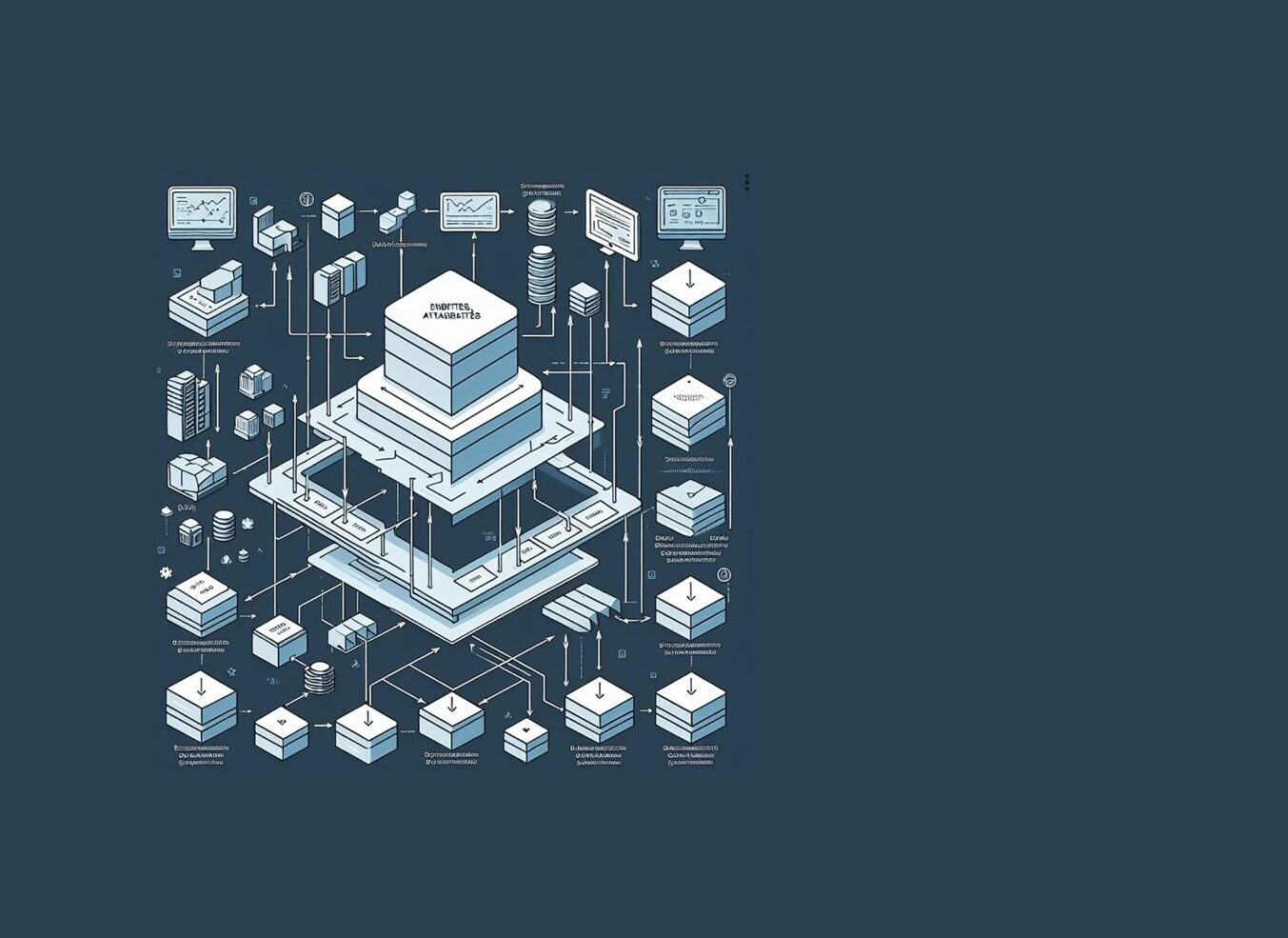
At Geo-ICT, we understand that the world of geoinformation and databases is diverse and constantly evolving. That’s why we offer a wide range of courses covering every aspect of this field. Whether you’re new to the world of databases or want to deepen your existing knowledge, we have the perfect course for you.
- Beginner Courses:
- Geodatabase Use: Discover how geodatabases form the foundation for GIS projects.
- SQL Basics: Learn the fundamentals of SQL and how to effectively manage data.
- Advanced courses:
- Specializations:
- MariaDB: Understand the nuances of this popular database management system.
- MongoDB and MongoDB Spatial: Discover how NoSQL databases can be used for geodata management.
Each course is designed to provide you not only with theoretical knowledge but also with practical skills you can immediately apply in your work or projects. Through our hands-on approach, you learn by doing, which ensures a deeper understanding and better retention of the material. With our diverse course offerings, you can take your career in geoinformation technology to the next level.
Let’s see which course best fits your ambitions and projects. Discover your potential with Geo-ICT and become a master in managing databases and geoinformation.
The Fundamentals of Database Management
At Geo-ICT, we know how crucial a solid foundation is, especially when it comes to database management. Whether you work with geoinformation or other types of data, the fundamentals remain the same. Let’s dive deeper into what these fundamentals entail and why they are so important:
- Database Structures: Understanding different database structures, such as relational and NoSQL databases, is essential. Each type has its own unique advantages and applications, especially in the world of geoinformation where data diversity and complexity can be high.
- Data integrity: Ensuring the accuracy and consistency of data over time. This is particularly important in GIS projects, where the precision of geodata directly impacts results and decision-making.
- Security: Databases often contain sensitive information. Learning about encryption, access control, and other security measures is crucial to protecting data from unauthorized access and cyber threats.
- Backup and recovery: Setting up robust backup and recovery plans ensures you can respond quickly in the event of data loss or corruption. This is an essential skill for anyone working with critical datasets.
- Query optimization: Executing queries efficiently is vital to maximizing your database’s performance. This involves properly indexing data and understanding best practices for writing queries.
Understanding how to apply these fundamentals in practice will not only make you a better database administrator but also someone capable of tackling complex geoinformation projects with confidence. At Geo-ICT, we provide you with the knowledge and tools needed to tackle these challenges and excel in your career. By taking our courses, you’ll gain hands-on experience with real-world datasets, learn from experienced professionals, and build a solid foundation that prepares you for the future.
NoSQL vs. SQL: Which Should You Learn?
In the world of databases and geoinformation, you face an important choice: should you go with SQL or NoSQL? Both technologies have their unique strengths and applications, especially when it comes to managing geodata. Let’s take a look at the differences and how you can make the best choice for your learning path:
- SQL (Structured Query Language):
- Excellent for complex queries and transactions.
- Ideal for relational databases where data is structured in tables.
- Strong in data integrity and ACID compliance (Atomicity, Consistency, Isolation, Durability).
- Example: Used in urban planning and real estate data management, where accuracy and relationships between datasets are crucial.
- NoSQL (Not Only SQL):
- Flexible in data modeling, perfect for unstructured and semi-structured data.
- Scalable and efficient in handling large amounts of data and real-time web applications.
- Supports various data types, such as key-value, document, wide-column, and graph databases.
- Example: Ideal for managing large datasets in environmental studies and real-time geolocation tracking.
Choosing between SQL and NoSQL depends on your project needs and goals. SQL is the best choice if you’re working with well-structured data and complex queries where data consistency is paramount. On the other hand, if you’re dealing with large volumes of varied or rapidly changing data, NoSQL can offer the flexibility you need.
In our courses at Geo-ICT, we explore both worlds. We encourage you to build a broad knowledge base so that you:
- Understand when and why you would choose a specific database model.
- Learn how to work with both types of databases, taking into account the unique requirements of geoinformation projects.
- Develop a versatile skill set that enables you to excel in various technical environments.
So, SQL or NoSQL? Why not learn both to become a true database champion in the world of geoinformation? With our courses, you’ll gain the knowledge and experience you need to make informed choices and build effective, scalable solutions for any challenge.
In the era of big data, databases play a crucial role in unlocking the full potential of data analysis, especially in the field of geoinformation. The impact of databases on big data and analytics is profound and multifaceted. Let’s take a look at how these technologies work together to accelerate insights and innovation:
- Storage and management of large datasets: Modern databases enable us to efficiently store and manage immense amounts of data. This is particularly important for geoinformation, where datasets can grow rapidly.
- Improved access and processing: Databases offer advanced capabilities for data querying and analysis, enabling faster access to and processing of geoinformation.
- Scalability: Both SQL and NoSQL databases support scalable solutions that grow with the volume of data, which is essential for big data projects.
- Integration with analytics tools: Databases can be seamlessly integrated with analytics tools and platforms, which is essential for performing complex analyses on geodata.
- Real-time analysis: With the rise of real-time databases, organizations can now respond immediately to changing data, which is crucial for areas such as traffic management and disaster response.
By harnessing the power of databases in the world of big data and analytics, organizations can:
- Improve decision-making: With access to up-to-date and accurate geo-information, better decisions can be made faster.
- Drive innovation: Databases enable researchers and businesses to discover new ways to use geo-data, from environmental conservation to urban planning.
- Improve efficiency: Analytical processes are streamlined, resulting in more efficient workflows and cost savings.
In short, the synergy between databases and big data analytics is transforming the way we work with geospatial information, offering unprecedented opportunities for insight, innovation, and impact. At Geo-ICT, we embrace these developments and equip you with the knowledge and skills to lead the way in this exciting evolution. Are you ready to explore the power of databases and how they are shaping the future of big data and analytics?
Practical Applications and Case Studies
From urban planning to environmental management, databases offer the power to analyze complex datasets and transform them into actionable insights. Here are a few examples where databases play a crucial role:
- Urban planning: By using geodatabases, urban planners can optimize infrastructure projects, taking into account population density, traffic flows, and environmental impact.
- Environmental management: Databases are used to monitor climate change, manage natural resources, and protect endangered species by analyzing extensive geodata.
- Disaster management: During natural disasters, real-time geodatabases enable rapid response by providing essential information about affected areas and emergency resources.
- Agriculture: Precision agriculture uses databases to increase crop yields, optimize water use, and support sustainable agricultural practices by analyzing data on soil quality, moisture, and climate.
These examples illustrate how the integration of databases into geographic information systems enables us to:
- Work more efficiently: By automating data analysis processes, organizations can make decisions faster and optimize their operations.
- Develop innovative solutions: The combination of databases with advanced analytical tools opens up new possibilities for solving complex problems.
- Gain deeper insights: With the capacity to process large amounts of data, databases offer an unparalleled level of detail and precision in analyses.
By studying case studies and real-world examples at Geo-ICT, you’ll not only gain a theoretical understanding of databases and geoinformation, but you’ll also learn how to apply this knowledge in the real world. This prepares you to tackle challenges with confidence and contribute to meaningful projects.