
Participants will learn how to work with climate data and gain an overview of QGIS’s capabilities. This will provide them with a better understanding of what is happening to the Earth and the impacts of climate change.
Klimaat
Participants will learn how to work with climate data and gain an overview of QGIS’s capabilities. This will provide them with a better understanding of what is happening to the Earth and the impacts of climate change.
In today’s world, understanding Geographic Information Systems (GIS) plays a crucial role in addressing one of the most pressing issues of our time: climate change. GIS is a technology that enables the storage, management, and analysis of geographic data. It offers us unprecedented opportunities to understand and visualize the impact of climate change. These systems allow us to integrate complex climate data with geographic locations, providing insight into how and where our planet is changing.
Through the power of GIS, we can visualize patterns of rising temperatures, the spread of climate extremes, and changes in land use and population density. It offers a window into the future by making predictions about how these trends will continue and which areas are most vulnerable to climate change. GIS’s unique ability to answer spatial questions makes it an indispensable tool in the fight against climate change.
At Geo-ICT, we understand the importance of this technology. We offer a QGIS and Climate course that not only covers the basics of GIS but also teaches you how to use this tool to analyze and visualize climate-related data. This course will equip you with the skills needed to effectively integrate and interpret climate data. In this way, you can contribute to developing solutions for one of the greatest challenges of our generation.
Knowledge of QGIS is not required but is recommended; check out our basic QGIS course. There, you’ll learn all the key components of QGIS so you can get started right away with this open-source software.
The role of GIS in understanding and addressing climate change cannot be underestimated. GIS offers us a unique opportunity not only to understand the complexity of climate change but also to visualize and analyze it. This powerful tool helps us see the connections between geographic locations and climate data. This allows us to better understand and predict the effects of climate change on our planet. Here are some key ways GIS helps us in the fight against climate change:
In the QGIS and Climate course, you’ll learn not only the fundamentals of GIS but also how to apply this knowledge to climate-related data. This will enable you to:
By participating in our course, you’ll not only gain a deep understanding of the role of GIS in understanding climate change, but also practical skills in using QGIS to analyze and visualize geodata.
QGIS plays a central role in our fight against climate change due to its ability to make complex climate data accessible and understandable. Let’s take a look at some specific ways in which QGIS supports us in this important work:
What makes this course unique is that we don’t just teach you how to perform these analyses and visualizations. We also provide an in-depth understanding of the data itself. This includes:
By developing these skills, you will be equipped not only with technical know-how but also with a deep understanding of how climate data can be analyzed and presented. This will enable you to play an active role in addressing climate change. With QGIS as your tool and Geo-ICT as your guide, you’ll be ready to tackle the challenges of climate change and contribute to a more sustainable world.
Before we dive deep into the complexities of climate change using QGIS, it is crucial to master the basics of this powerful tool. QGIS enables you to approach geoinformation in an advanced way. This allows you to create detailed climate analyses and visualizations. Here are some fundamental aspects of QGIS that we cover in our course, designed to give you a solid foundation:
By mastering the basics of QGIS, you’ll be well-equipped to take the next steps in your climate analysis journey. As you progress, you’ll discover that QGIS is more than just a software program. It’s a window into a world where geodata and climate analysis converge to provide insights that are crucial for addressing climate change. At Geo-ICT, you’re not just learning. You’re developing your skills to make a difference in the world.
Once you’ve mastered the basics of QGIS, you’re ready to take the next step toward more advanced techniques, including spatial analysis and forecasting. With QGIS, you can perform in-depth analyses that provide essential insights into how and where climate change is having an impact. This includes:
In our QGIS and Climate course at Geo-ICT, we dive deep into these topics. We offer practical exercises and examples that teach you how to:
Using QGIS for spatial analysis and making predictions enables you to play an active role in addressing climate change. You will not only learn about the technical aspects of GIS but also develop a deeper understanding of the impact of climate change on the world around us.
One of the most powerful aspects of QGIS is its ability not only to analyze climate data but also to visualize it and integrate it with other geospatial data. These skills are essential for anyone involved in climate research, planning, or policy. By visualizing climate data, we can make complex information accessible to a broad audience and make better-informed decisions. In the QGIS and Climate course at Geo-ICT, you will learn:
By applying these techniques, you will become proficient in using QGIS to visualize and communicate climate-related data. These skills are not only valuable for your personal development; they also contribute to the broader discussion on climate change. At Geo-ICT, we strive to equip you with the knowledge and tools you need to make an impactful contribution to addressing climate change, through the power of geoinformation and advanced visualization techniques.
Choosing a program or course is an important step in your professional and personal development. At Geo-ICT, we understand that. That’s why we’ve specifically designed our QGIS and Climate Course not only to meet current market demands but also to prepare you for future challenges in the field of climate change and geoinformation. Here are a few reasons why our course is the right choice for you:
At Geo-ICT, we are committed to delivering high-quality education that prepares you for the challenges and opportunities of tomorrow. Our QGIS and Climate Course is more than just a learning experience; it is an investment in your future. It equips you with the knowledge, skills, and network to make a positive impact in the world of climate change and geoinformation.
This one-day course is designed to introduce participants to QGIS, a powerful geographic information system, and how it can be used when working with climate data. Participants will learn how to use QGIS to import, analyze, and visualize climate data, as well as to answer spatial questions about climate change.
Course agenda:
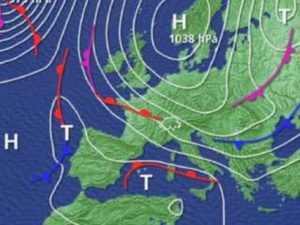 During this one-day course, participants will engage in hands-on exercises where they can apply the concepts and techniques they have learned to real-world climate data. The course is typically led by an experienced GIS specialist with expertise in climate analysis.
The QGIS and Climate course has the following learning objectives:

Do you have questions about the course content? Or are you unsure whether the course aligns with your learning goals or preferences? Would you prefer an in-house or private course? We’d be happy to help.
In this course, you will learn how to use QGIS to analyze and visualize climate data, including temperature increases and climate extremes.
This course is ideal for aspiring geospecialists, experienced professionals in the geospatial sector, and anyone interested in using GIS for climate studies.
The course lasts two days and covers topics such as importing climate data, spatial analysis, modeling, and visualization using QGIS.
A basic understanding of GIS is helpful, but not strictly necessary. The course begins with an introduction to QGIS and climate.
You can register directly using the registration widget (on the right side of the desktop version and at the top of the mobile version) or by contacting us at info@geo-ict.nl. We also offer customized consulting services for businesses and educational institutions.
Yes, the course includes hands-on exercises for applying the techniques you've learned to real climate data.
Yes, upon successful completion of the course, you will receive a certified certificate of completion from the Geo-ICT Training Center.
The course focuses on analyzing climate data, spatial modeling and forecasting, visualizing climate data, and integrating climate data with other sources.
Yes, after the course, you can continue to ask the instructor questions via email for another two weeks. We also offer online support for technical issues.
Yes, the course is available both in person and online. Online participants can attend the course via Google Meet.
