This course, specially designed for beginners and novice programmers, takes you through the fundamental concepts of programming with Python, a language known for its clarity and versatility. You’ll not only learn how to install Python and write basic scripts, but also dive into the world of variables, flow control, and logic. All of this with a strong focus on practical application, using geoinformation and geodata as inspiring examples of how programming can be applied in various fields.
After completing this Python course for beginner programmers, you’ll be ready to program in Python. Want to learn even more? Then the Advanced Python or Python and Data Science courses are great next steps after this one.
Why Programming Is Essential in the Modern World
In today’s digital society, programming has become indispensable. It is the key to innovation and efficiency in nearly every aspect of our lives. Here are a few reasons why programming skills have become so crucial:
- Automation and efficiency: Programming allows you to automate time-consuming tasks, making processes more efficient.
- Problem-solving skills: It teaches you to think about problems in a structured way and solve them.
- Creativity and innovation: Programming provides the tools to bring your creative ideas to life and contribute to technological progress.
- Career opportunities: Knowledge of programming opens doors in various industries. From geoinformation to healthcare, every field needs programming skills.
- Understanding the digital world: In a world where technology plays an increasingly important role, understanding the basics of programming helps you navigate and make decisions more effectively.
By taking the Python for Beginners course at Geo-ICT, you equip yourself with one of the most in-demand skills on the job market. Moreover, it provides you with a solid foundation to fully leverage the potential of geodata and geoinformation, two fields that are becoming increasingly important in our society.
Understanding the Basics of Programming
Before diving deep into the world of programming, it is essential to thoroughly understand the basics. These fundamentals form the foundation upon which all more complex programming skills are built. In the Python for Beginners Course at Geo-ICT, you’ll start with the basics every novice programmer needs to know:
- Variables and Data Types: Learn how to store and manipulate information in your program.
- Flow Control: Understand how to control the logic of your programs using decisions and loops.
- Functions: Discover how to create reusable code blocks for more efficient programming.
Each of these concepts is not only explained but also immediately put into practice. By working with geoinformation and geodata, you’ll learn how these basic principles are applied in real-world scenarios, bringing the theory to life and inspiring you for your own projects.
What You’ll Learn in the Python Course for Beginner Programmers
Introduction to Python: The First Steps
Your programming adventure begins with taking your first steps in Python, a powerful, versatile language that’s ideal for beginners and advanced users alike. At Geo-ICT, we ensure you start this journey on solid ground, focusing on:
- Installing Python: We’ll guide you through the process of setting up your development environment.
- Writing your first script: You’ll learn the basic syntax of Python and write your first lines of code.
- Applying basic principles: Through practical exercises, you’ll immediately apply what you’ve learned, focusing on relevant examples from the world of geoinformation.
These initial steps are designed to build your confidence and equip you with the knowledge needed to further explore what programming in Python has to offer.
Diving Deeper into Python
After your first introduction to Python, it’s time to dive deeper into the subject. This phase of your learning journey at Geo-ICT covers more complex concepts that are essential for developing advanced programming skills:
- Advanced Data Types: You’ll learn about lists, dictionaries, and more, and how to use them to manage complex data.
- Object-Oriented Programming (OOP): Discover the principles of OOP, a core aspect of Python that helps you write organized and reusable code.
- Project-Based Learning: Apply everything you’ve learned to projects that reflect the reality of geoinformation and geodata, working on real-world problems and solutions.
This in-depth exploration ensures that you not only learn the language but also how to apply your knowledge in practical, real-world scenarios.
Why Choose Our Python for Beginners Course?
Choosing our Python for Beginners Course at Geo-ICT is easy to justify when you consider the unique benefits we offer:
- Practical Approach: From day one, you’ll dive into real programming, with projects that solve real-world problems.
- Expert Instructors: Our instructors are not only experts in their field but also have a passion for teaching and love to share their knowledge.
- Focus on Practical Application: We ensure that what you learn is immediately applicable, with a special focus on geoinformation and geodata.
Choose a course that not only teaches you how to program but also prepares you for the future.

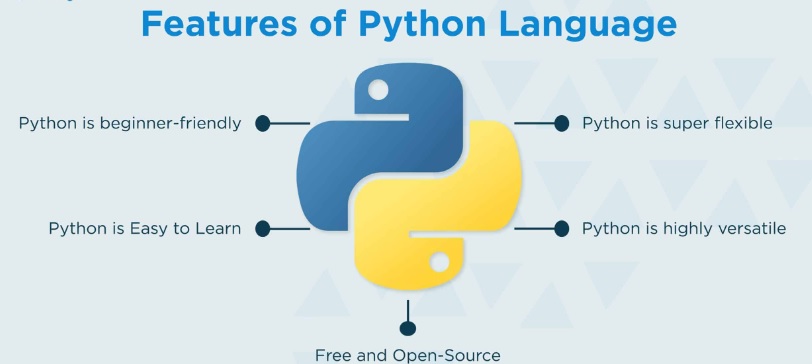 When we talk about programming, we’re entering a world that forms the backbone of all the modern technologies we use today. Whether it’s surfing the internet, using an app on your phone, or even automating tasks in your home, programming plays a key role. At Geo-ICT, we understand the importance of this skill in today’s digital world and offer a Python course for beginners to introduce you to the basics of programming in an accessible way.