
In the Python Astronomy course, you will learn to analyze and process astronomical data using coordinate systems, time scales, and FITS files.
Geodesie
In the Python Astronomy course, you will learn to analyze and process astronomical data using coordinate systems, time scales, and FITS files.
In the world of programming, the Python package Astropy offers a powerful and accessible way to perform astronomical calculations and data analysis. This library, developed by and for astronomers, enables users to work with coordinate systems, time scales, and astronomical datasets with a high degree of precision. Python Astropy is central to applications such as observation planning, analysis of astronomical data, and research into cosmic objects, where calculations such as coordinate transformations, time conversions, and spectroscopic analyses are essential.
Astropy’s true strength lies in its versatility and accuracy. Starting with simple calculations such as converting coordinates or timestamps, users can gradually perform more complex tasks such as working with FITS files, photometric and spectroscopic analyses, or combining data from astronomical catalogs. This step-by-step progression in complexity, managed within a practical and consistent environment, makes Astropy an ideal choice for both beginners in astronomy and experienced researchers working on advanced data analysis projects.
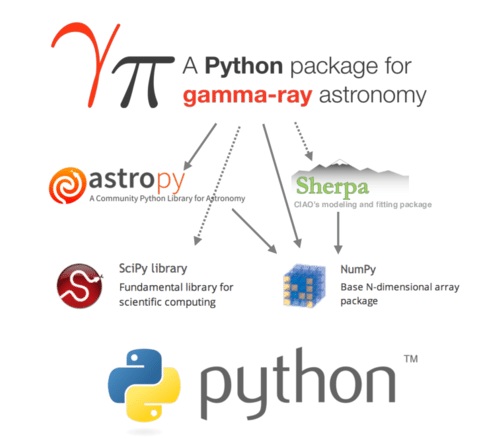
At Geo-ICT, we understand the value of hands-on learning, especially when it comes to mastering astronomical calculations and data analysis with Python. Our Python Astronomy Course is designed to guide you through the fundamentals of this library, from basic concepts to more advanced techniques. Through hands-on sessions and project-based learning, you’ll not only gain insight into the theoretical aspects of Astropy but also develop the skills to independently analyze astronomical datasets.
New to Python? Then perhaps the basic Python programming course is right for you!
When exploring astronomical computations with Python, Astropy is known as a fundamental toolkit upon which many successful research projects are built. Understanding these essential components can help you work effectively and efficiently with astronomical data. At Geo-ICT, we focus on providing in-depth knowledge and practical skills that are essential for building robust applications with Python and Astropy. Let’s take a look at some of the most important aspects:
Coordinates and Transformations: The heart of many Astropy applications. Various methods make it possible to:
Time and Date: Astropy supports precise time calculations, such as:
Data and FITS files: Essential for astronomical analysis, including:
In our Python Astronomy Course, we dive deep into each of these aspects, so that you not only learn how to use them but also understand how they work together to enable dynamic and accurate astronomical analyses.
At the heart of every astronomical calculation with Python Astropy are coordinates and time. These fundamental elements form the building blocks of your analysis. This makes it essential to understand their role and capabilities. At Geo-ICT, we place a strong emphasis on the practical application of these basic elements, so you can tackle your astronomical projects with confidence and skill.
Coordinates are at the heart of astronomical data. With Astropy, you can work with:
Time is a second pillar of astronomical calculations. Some examples include:
The moment has arrived: you’re about to perform your first astronomical calculations with Python Astropy. At Geo-ICT, we support you through every stage of this process, from initial concepts to final implementation. Here are some crucial steps and considerations to get you started:
By performing your own astronomical calculations, you’ll not only gain practical experience but also develop a deeper understanding of how astronomical data is processed and applied. This is your chance to bring theory to life and take a step closer to becoming a data-driven professional in astronomy.
After laying a solid foundation with your first calculations, it’s time to take your skills to the next level by exploring advanced applications and functionalities. At Geo-ICT, we encourage you to push the boundaries of your creativity and fully harness the power of Python Astropy. Below are some advanced aspects you can integrate into your future projects:
The possibilities with Python Astropy are nearly limitless, and by exploring these advanced techniques, you can develop professional-quality astronomical analyses.
Choosing a course is an important step in your professional development. And at Geo-ICT, we understand that you want the best learning path available. Our Python Astronomy Course stands out for several reasons, all of which are focused on providing a learning experience that is not only educational but also truly prepares you for real-world practice. Here are some key reasons why our course is the right choice for you:
Choosing our Python Astronomy Course means choosing a learning path that not only equips you with the technical knowledge you need but also provides the practical experience essential for your success in the world of data analysis and astronomy. At Geo-ICT, you’re not just taking steps toward learning a new skill. You’re taking steps toward a new future. Discover the possibilities, sign up, and start your journey to success with Geo-ICT.
The first day focuses on the basics of Astropy and the core concepts of astronomy you need to work with it. You’ll be introduced to astronomical coordinate systems such as ICRS, galactic, and ecliptic, and learn how to transform coordinates for observations. We’ll also cover time scales (UTC, TAI, TT) and teach you how to convert timestamps to Julian Date and Modified Julian Date. The day concludes with hands-on exercises where you’ll perform calculations on small datasets and explore how Astropy works step by step.
On the second day, you’ll delve deeper into the practical applications of Astropy. You’ll learn how to read, edit, and analyze FITS files, and work with spectra, light curves, and metadata. You’ll also learn how to consistently apply units and quantities to perform error-free calculations. Finally, you’ll combine Astropy with other Python packages such as NumPy, SciPy, and Matplotlib so you can visualize and analyze astronomical datasets. The day concludes with a practical case study in which you’ll independently perform a complete data analysis.

Do you have questions about the course content? Or are you unsure whether the course aligns with your learning goals or preferences? Would you prefer an in-house or private course? We’d be happy to help.
No, a basic knowledge of Python is sufficient. The course explains key astronomical concepts, such as coordinate systems and time scales, step by step and applies them directly in Astropy.
Astropy is the leading standard library for astronomy and offers everything from coordinate transformations and time calculations to the processing of FITS files and spectroscopic data. It is used worldwide by researchers, observatories, and space agencies.
During the course, you will work with real astronomical datasets, including FITS files, light curves, and spectra. You will learn how to import, analyze, and visualize these files using Python.
The course is highly practical: in addition to lectures and theory, you’ll constantly be working on hands-on assignments. You’ll perform coordinate transformations and time calculations yourself, analyze datasets, and build a mini-project in which you’ll immediately apply your new skills.
