
Job Title: Machine Learning Engineer

A Machine Learning Engineer is responsible for developing, implementing, and maintaining machine learning models that enable organizations to make data-driven decisions. This role combines software development, data analysis, and expertise in artificial intelligence to build predictive systems that learn and improve on their own.
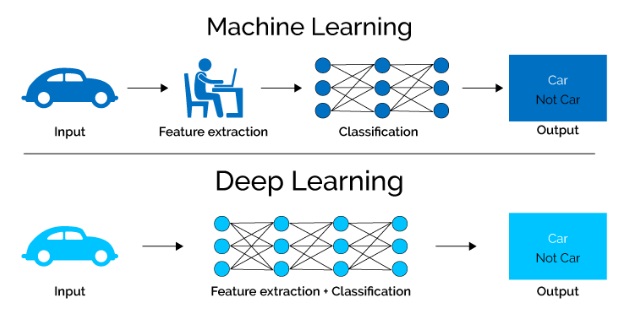

What a Machine Learning Engineer Does

As a Machine Learning Engineer, you’re the unsung hero behind the scenes who ensures that data isn’t just collected, but actually speaks volumes. With your knowledge and expertise, you turn raw data into gold mines of insight and innovation. This includes:

  • Data preparation: Collecting, cleaning, and transforming large datasets to make them suitable for model training.
  • Model development: Selecting and developing suitable machine learning algorithms, and training them on the prepared data.
  • Evaluation and optimization: Testing models to assess accuracy and effectiveness, and optimizing them through hyperparameter tuning and algorithm adjustments.
  • Implementation: Integrating trained models into production environments, where collaboration with software developers is essential.
  • Monitoring and maintenance: Continuously monitoring model performance and updating models based on new data or changing conditions.
  • Collaboration: Working in multidisciplinary teams with data scientists, software engineers, and other stakeholders to implement machine learning solutions.

Geo-ICT Training Center, Nederland - Machine Learning Engineer

Skills and Knowledge

  • Strong programming skills in languages such as Python, R, Java, or C++.
  • In-depth knowledge of machine learning algorithms and techniques, such as regression, classification, clustering, and deep learning.
  • Experience with machine learning libraries and frameworks, such as TensorFlow, Keras, PyTorch, or Scikit-learn.
  • Familiarity with big data tools and platforms, such as Apache Spark, Hadoop, and cloud-based ML solutions (e.g., AWS SageMaker, Google Cloud AI).
  • Strong analytical and problem-solving skills.
  • Good communication skills and the ability to explain complex technical concepts to non-technical stakeholders.

Why is the work of a Machine Learning Engineer important?

The work of a Machine Learning Engineer is important because it enables organizations to derive value from large amounts of data through automated decision-making, predictions, and optimization. Here are the key reasons why this role is crucial:

  • From data to action: Machine Learning Engineers translate raw data into predictive models and intelligent systems that automatically learn from new information. This makes it possible to: predict customer behavior, personalize product recommendations, and automate and optimize processes.
  • Scalable intelligence: Unlike manual analyses, machine learning models can be applied at scale, make real-time decisions, and continuously improve without human intervention. This makes companies more efficient and competitive.
  • Driving innovation: Machine Learning Engineers form the technical foundation of applications such as: self-driving cars, speech and image recognition, fraud detection, chatbots, and virtual assistants
  • Efficiency and cost savings: By deploying predictive models, companies can reduce errors, better assess risks, and allocate resources more effectively. Think of inventory management, maintenance planning, or customer segmentation.
  • Critical for data-driven organizations: In a world where data is growing exponentially, Machine Learning Engineers are essential for making this data actionable for decision-making. Without them, valuable insights remain untapped.

A Machine Learning Engineer delivers the smart technology that converts data into measurable impact—for products, processes, and an organization’s strategy.

The influence of geo-information on a Machine Learning Engineer

Geo-information makes machine learning more powerful and context-aware. For Machine Learning Engineers, this opens the door to deeper insights, innovative applications, and smart, location-aware systems. Those who master this combination find themselves at the intersection of data science, AI, and geography—with a significant impact on the physical world. Four key points here are:

  • Spatial context enriches models – Location data makes predictions more accurate and relevant.
  • Applications in location-dependent sectors – Such as logistics, agriculture, the environment, and real estate.
  • Integration with remote sensing and GIS – Machine learning based on satellite imagery and geographic information systems.
  • Spatial machine learning requires additional expertise – Such as geostatistics, spatiotemporal models, and specialized tools.

Informeer & Solliciteer

Want to know more?

Do you have questions about the course content? Or are you unsure whether the course aligns with your learning goals or preferences? Would you prefer an in-house or private course? We’d be happy to help.

Opleiding

To excel as a Machine Learning Engineer in the field of geoinformation, completing a bachelor’s or master’s degree is essential. A specialized Data Analysis and GIS program provides the foundation, featuring in-depth courses in Python and Machine Learning, R and Machine Learning, Deep Learning, and QGIS.

This knowledge is reinforced by the experience gained at the Geo-ICT Training Center in the Netherlands, where you’ll be prepared for secondment to leading organizations. Your expertise in GeoAI enables you to contribute to projects at municipalities, land registries, engineering firms, and more, where you’ll transform complex data into valuable insights.


Taken

As a Machine Learning Engineer, you play a crucial role in the world of geoinformation. Your responsibilities are diverse and of great importance:

  • Collecting and preparing data
  • Developing machine learning models
  • Evaluating and optimizing models
  • Implementing models in production
  • Monitoring and maintaining models
  • Collaborating with multidisciplinary teams
  • Automating ML workflows (MLOps)

Frequently Asked Questions About the Machine Learning Engineer Role

A Machine Learning Engineer is responsible for developing, implementing, and maintaining machine learning models that enable organizations to make data-driven decisions. This role combines software development, data analysis, and expertise in artificial intelligence to build predictive systems that learn and improve on their own.

This role is important because it transforms raw data into actionable insights, enables automation, and helps organizations remain competitive and innovative. The work of a machine learning engineer enables scalable intelligence, which can accelerate and optimize processes.

In Geo-ICT, machine learning is combined with geospatial information: you apply ML techniques to location and geospatial data, such as satellite imagery, geographic datasets, and spatiotemporal models. This means you work at the intersection of data science, AI, and geography, as you do in the QGIS Deep Learning course.

Key skills include:

  • Programming skills in languages such as Python, R, Java, or C++.
  • Knowledge of machine learning algorithms and techniques, such as regression, classification, clustering, and deep learning.
  • Experience with ML libraries and frameworks such as TensorFlow, Keras, PyTorch, or Scikit-learn.
  • Familiarity with big data tools and cloud-based ML solutions.
  • Analytical skills, problem-solving ability, and strong communication skills within multidisciplinary teams.

A typical workday might include:

  1. Collecting, cleaning, and transforming large datasets so that they are suitable for model training.
  2. Developing or adapting ML models, training, hyperparameter tuning, and testing models.
  3. Implementing a model in a production environment and collaborating with software engineers on integration.
  4. Monitoring model performance and maintaining or retraining models when conditions change.
  5. Consulting with stakeholders to discuss the practical application of ML solutions, for example in the context of geodata.

Yes, Geo-ICT offers programs that train you for this role and get you started. Interested? Then the Geo-ICT Traineeship might be just what you're looking for!

You can advance to roles such as Lead Machine Learning Engineer, ML/AI Architect, or Geo-AI Specialist. By gaining additional expertise in cloud platforms, MLOps (model development, deployment, and monitoring), and geoinformatics, you can enhance your career prospects.

While a machine learning engineer is already valuable with general ML skills, knowledge of geoinformation (such as GIS data, GPS location analysis, and spatiotemporal models) will make your role at Geo-ICT even more impactful. You’ll then be able to contribute directly to geodata-driven projects.

This role is subject to standards regarding model validation, data quality, traceability of data flows, and AI ethics. It is important that models are reliable, explainable, and reproducible, with documentation of data sources, feature engineering, and monitoring.

You can apply directly for our Geo-ICT Traineeship or contact us via the widget on the page by entering your name, email address, and phone number to schedule a no-obligation conversation. You can also send us a WhatsApp message. If you have any questions about the program or whether the position is a good fit for you, please feel free to contact us.