
This QGIS Hydrology course is designed for employees who want to learn how to use QGIS for hydrological applications. This course can also be taught using ArcGIS Pro.
Everything about QGIS
This QGIS Hydrology course is designed for employees who want to learn how to use QGIS for hydrological applications. This course can also be taught using ArcGIS Pro.
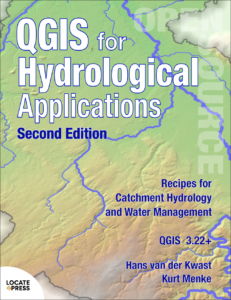
In the world of geoinformation and water management, QGIS, a powerful and open-source geographic information system (GIS), plays a crucial role. Particularly in hydrology, QGIS offers unparalleled capabilities for analyzing, visualizing, and managing hydrological data. QGIS’s ability to model and simulate complex hydrological processes makes it an indispensable tool for professionals involved in managing water resources, analyzing flood risks, and planning water management systems.
The use of QGIS in hydrology enables users to identify watersheds, analyze water flows, and assess flood risks with the accuracy and flexibility that are essential in this rapidly evolving field. With features such as the QGIS Data Inspector and QGIS Transformers, users can perform data integration and hydrological analyses in ways previously unimaginable, effortlessly handling and analyzing large datasets to provide reliable and actionable insights.
Hydrological modeling with QGIS goes beyond simply analyzing existing data. It also offers the ability to simulate future hydrological scenarios, which is crucial for effective planning and management. Through the integration of advanced plugins and tools, such as PCRaster for hydrological analysis and modeling, QGIS enables hydrologists to accurately predict the dynamics of water flows and the impact of human activities on water systems.
With the QGIS Hydrology course at Geo-ICT, you’ll not only become proficient in using QGIS for hydrological analysis; you’ll also become part of a growing community of professionals shaping the future of water management using advanced geoinformation technologies. This is your chance to harness the power of QGIS and contribute to a more sustainable and water-conscious world.
If you are not yet familiar with QGIS, we recommend taking the 3-day QGIS Basic Course.
The role of Geographic Information Systems (GIS) in hydrology cannot be underestimated. These technologies form the backbone of modern water management, enabling us to understand and manage the complexity of hydrological systems. But what makes GIS so indispensable in this field? The answer lies in GIS’s ability to collect, analyze, and visualize spatial data in ways that transform our approach to hydrological issues.
With GIS, hydrologists can map water systems with unprecedented accuracy, from large river basins to small watersheds. This technology makes it possible to analyze the interaction between land use, soil types, and water flows, which is essential for assessing flood risks and planning water management strategies. Furthermore, GIS enables hydrologists to integrate historical data with real-time data from satellites and sensors, allowing them to monitor and predict dynamic changes in the hydrological system.
One of the most powerful aspects of GIS in hydrology is its ability to create visual simulations and models. These models help predict the effects of climate change on water resources, develop effective flood management plans, and optimize the use of limited water resources. By visualizing complex data, GIS tools such as QGIS can provide decision-makers and stakeholders with clear and understandable insights, which is crucial for developing sustainable solutions to water-related challenges.
To harness the full potential of GIS in hydrology, it is essential to understand the basic principles of hydrological processes. Hydrology, the science concerned with the study of water in the atmosphere, on the Earth’s surface, and underground, provides insight into how water moves, how it is stored, and how it cycles through natural and human-made environments.
Central to this study are water cycle processes such as evaporation, condensation, precipitation, infiltration, surface runoff, and groundwater flow. Each of these processes plays a crucial role in determining the availability of water resources, water quality, and the health of aquatic and terrestrial ecosystems. By understanding these processes, we can make predictions about water availability, identify flood risks, and develop effective water management strategies.
GIS tools such as QGIS make it possible to map and analyze these hydrological processes with a precision that was previously unimaginable. They enable us to model water flows, define watersheds, and predict floodplains. Using QGIS, hydrologists can analyze precipitation patterns, monitor soil moisture, and track groundwater levels, contributing to a deeper understanding of how water moves through our world.
Knowledge of these processes is not only of academic importance; it has direct applications in planning and implementing projects for water management, urban planning, agriculture, and environmental protection. By combining a strong foundation in the principles of hydrology with the power of GIS, professionals in geoinformation technology can make informed decisions that lead to the sustainable management of our most precious resource: water.
In the dynamic world of water management, the art of data integration and management forms the foundation for success. QGIS, a leading tool in geoinformation technology, plays a crucial role in this field. It enables users to merge a wide range of data sources—from satellite imagery to sensor data and historical datasets—into a coherent whole, essential for a thorough understanding of hydrological phenomena.
The power of QGIS lies in its ability not only to visualize these complex datasets but also to manage them effectively. It offers users the flexibility to edit, analyze, and combine spatial data, making it possible to construct accurate hydrological models. This process, crucial for any water management project, involves defining watersheds, simulating water movements, and evaluating potential flood risks.
In addition, QGIS is unmatched in data management. The platform facilitates integration with a wide range of databases and leverages the power of advanced plugins for the efficient organization and analysis of large datasets. This aspect is invaluable in projects where the need for fast, accurate, and up-to-date information plays a crucial role in decision-making.
Using QGIS for the integration and management of hydrological data lays the foundation for data-driven decision-making in water management. This approach not only increases the efficiency and effectiveness of such initiatives but also facilitates the development of resilient and sustainable solutions to today’s water management challenges. By taking the QGIS Hydrology Course at Geo-ICT, professionals can unlock the full potential of this tool, ready to tackle the complexities of water management with confidence and competence.
Performing hydrological analyses is an essential part of effective water management and planning. QGIS, as an advanced geoinformation platform, offers a comprehensive set of tools and features specifically designed to support these tasks. It enables you to analyze water flows, assess flood risks, and identify watersheds with the accuracy essential for developing robust water management strategies.
By using QGIS, hydrology professionals can perform in-depth analyses that account for variables such as precipitation, soil moisture, and soil permeability. These analyses are crucial for predicting water movements and identifying areas prone to flooding. Thanks to the visual nature of QGIS, these complex datasets can not only be analyzed but also presented in a format that is easy for decision-makers and stakeholders to understand.
One of the most valuable aspects of QGIS in the context of hydrological analysis is the ability to perform scenario analysis. This means you can simulate how environmental changes, such as deforestation, urbanization, or climate change, might affect the water cycle and related processes. Such analyses make it possible to proactively plan for future challenges and develop sustainable solutions for water management.
The QGIS Hydrology Course at Geo-ICT is specifically designed to equip participants with the knowledge and skills needed to perform these advanced analyses. By participating in this course, you will not only receive a thorough introduction to the basic principles of hydrology and how QGIS can be used to study them, but you will also learn how to apply the program’s most advanced features to real-world water management problems. This provides a solid foundation for anyone involved in water resource management who aims to develop effective strategies to address the challenges of today and tomorrow.
If you’re looking for a course that not only enhances your technical skills but also prepares you for the real-world challenges of water management, then the QGIS Hydrology Course at Geo-ICT is the perfect choice. This course stands out thanks to a unique combination of in-depth theoretical knowledge and practical skills, specifically focused on the application of QGIS in hydrological projects. But what makes our course so special? Here are a few reasons:
By participating in our QGIS Hydrology Course, you will not only gain a thorough understanding of hydrological processes and how to analyze them with QGIS, but you will also develop the skills to solve complex water management problems. Whether you’re a beginner in the world of geoinformation or looking to deepen your existing knowledge, this course provides you with the tools, knowledge, and confidence to take your career in hydrology to the next level.
Choose the QGIS Hydrology Course at Geo-ICT, and take the first step today toward a future where you can confidently tackle the challenges of water management.
On the first day of the "QGIS Hydrology" course, participants will be introduced to the basics of QGIS and the relevant tools for hydrological analysis. The day begins with an introduction to QGIS, covering the interface, data import, and data management. The focus then shifts to an introduction to digital elevation models (DEMs) and how they can be used to identify watersheds and determine drainage basins. Participants will also learn how to derive slopes, aspects, and gradients from the terrain.
In the afternoon, participants delve deeper into hydrological concepts, such as flow direction and flow accumulation. They will learn how to use the information from the DEMs to map water flows and pathways. The day concludes with practical exercises in which participants can independently identify watersheds and flow paths using QGIS.
On the second day of the course, participants will delve into advanced hydrological analyses. The morning begins with an exploration of flood risks and how they can be assessed using digital elevation models. Participants will learn about flood zones and how to generate flood maps.
In the afternoon, the focus shifts to water management. Participants learn how to set up hydrological models to estimate discharge volumes, analyze precipitation intensity, and assess infiltration capacity. Hands-on exercises give participants the opportunity to perform calculations themselves and model various aspects of water management.
The course concludes with a summary of best practices for hydrological analysis in QGIS, as well as an overview of additional resources and tools that participants can explore to further develop their understanding and skills. After this two-day course, participants should be well-equipped to perform hydrological analyses using QGIS in their own projects.

Do you have questions about the course content? Or are you unsure whether the course aligns with your learning goals or preferences? Would you prefer an in-house or private course? We’d be happy to help.
In this course, you will learn how to perform hydrological analyses and water management using QGIS, including data integration, using the QGIS Data Inspector and Transformers, and analyzing water flows and flood risks.
This course is ideal for entry-level geospecialists, experienced geoprofessionals, and career changers who want to develop their skills in hydrological applications using QGIS. It is also relevant for companies and educational institutions in the geospatial sector.
The QGIS Hydrology course is a two-day training program designed to quickly and effectively teach you the basic and advanced techniques of QGIS for hydrology.
A basic understanding of GIS and QGIS is recommended for this course, but not required. The course is designed so that both beginners and advanced users can benefit from it.
By the end of the course, you will be able to independently perform hydrological analyses using QGIS and will have a thorough understanding of water management and related GIS techniques.
Yes, the course includes practical exercises that allow you to immediately apply what you learn, so you can develop the skills needed for real-world projects.
Yes, upon successful completion of the course, you will receive a certificate, which is a valuable addition to your professional profile.
This course focuses specifically on hydrology and provides in-depth knowledge and practical skills that can be directly applied to water management projects—something not often offered in standard QGIS training courses.
The course is held in person at our location, which allows for an interactive learning experience and immediate feedback from our experienced trainers.
Yes, we offer group discounts for companies or educational institutions that wish to register multiple participants. Please contact us for more information about the terms and conditions.
